Loading...
Loading...

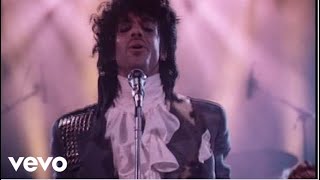
Prince's 'Purple Rain' remains an enduring masterpiece in music history.
Few albums have managed to cast as long a shadow as Prince's Purple Rain. Released on June 25, 1984, it wasn't just an album, but a declaration. A blend of rock, funk, pop, and soul layered with Prince's enigmatic persona, Purple Rain transcended genre boundaries and became a cultural touchstone. While many knew him as a flamboyant performer, this album cemented his place as a musical genius who could do more than just perform — he could create.
The album wasn't just a collection of tracks; it was a narrative, an experience that was as much about listening as it was about feeling. From the haunting wails of the title track to the raw energy of 'Let's Go Crazy', each song tells its own story, contributing to a larger narrative that captured the zeitgeist of the 1980s.
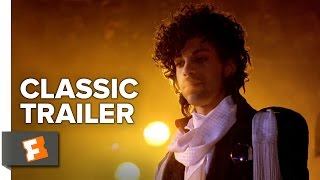
Producing Purple Rain was a gamble. With a budget of $7 million, it wasn't just the album itself but a film that accompanied it — a semi-autobiographical movie that was as bold and colorful as Prince himself. Many in Hollywood questioned the viability of such a project helmed by a musician, not a seasoned director. Yet, against the odds, the film became a box office hit, grossing over $70 million.
This success didn't just prove financial viability; it confirmed Prince's vision. The film's narrative, powered by the album's tracks, gave audiences a glimpse into his world — a world where music and story melded seamlessly, blurring the lines between reality and artistry.
Not everyone was thrilled with Prince's provocative lyrics. 'Darling Nikki' sparked considerable controversy, drawing the ire of those who considered its explicit content an affront to decency. It went so far as to prompt the formation of the Parents Music Resource Center (PMRC), co-founded by Tipper Gore who famously used the song as an example of the need for parental advisory warnings on albums.
Ironically, the controversy only fueled the album's success, making Purple Rain a symbol of rebellion. Prince's response was characteristic of his career: unapologetic and defiant, embodying the spirit of an artist who refused to be censored.
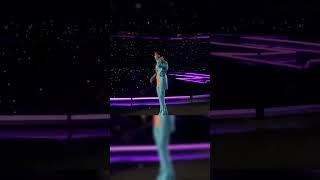
The title track, 'Purple Rain', wasn't just a song; it was an anthem. Clocking in at over eight minutes, it defied radio norms but became a staple of the '80s. The song's live performance at the Super Bowl in 2007 only solidified its status, as Prince performed in the rain, clad in purple, delivering a rendition that many consider one of the greatest live performances of all time. To this day, 'Purple Rain' remains a go-to ballad for moments of triumph — a testament to the enduring impact of Prince's artistry.
Decades after its release, Purple Rain still commands reverence. In 2019, it was added to the National Recording Registry for being 'culturally, historically, or aesthetically significant.' Vinyl reissues and deluxe editions continue to introduce the album to new generations, ensuring Prince's legacy endures.
In a world where music is often ephemeral, Purple Rain stands as a monument to what happens when an artist pours everything into a project. It wasn't just an album; it was a revolution, one that continues to influence artists across genres. Prince may have left this world, but his masterpiece remains — a reminder that true artistry is timeless.
How did this article make you feel?
Sign in to join the discussion
 Music
From Miss Universe to Music and More
 Music
Exploring a remarkable musical journey
 Music
From animation to crooning at Carnegie Hall
 Music
How a Kiwi Became a Country Superstar
 Music
An amusing journey through an iconic career
 Music
Celebrating the man behind the sound
 +0,02