
South Park's Pilot Episode: The Day TV Changed Forever
How a ragtag group of foul-mouthed kids captured a generation's heart.
 +0,02
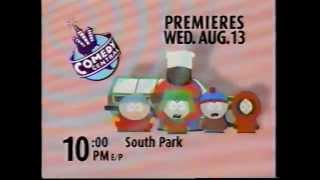
On August 13, 1997, American television witnessed a seismic shift with the airing of South Park's pilot episode, introducing the world to the audacious antics of four animated kids from a small Colorado town. Unlike anything on TV at the time, it was irreverent, politically incorrect, and side-splittingly funny. The creators, Trey Parker and Matt Stone, tapped into a unique combination of satire and shock, speaking directly to a generation that had grown weary of safe, sanitized humor.
How Cursing Kids Became Cultural Icons

When Parker and Stone pitched South Park, they probably didn't expect the show's central figures—Stan, Kyle, Cartman, and Kenny—to become fixtures of pop culture. Yet, these four boys, with their unapologetic vulgarity and bizarre adventures, managed to resonate deeply with audiences. The show was originally a rough cartoon short titled The Spirit of Christmas, which caught the attention of the cable channel Comedy Central. The network took a daring gamble, and it paid off handsomely as the show gathered a cult following almost overnight.
The $300,000 Bet That Changed Television

Producing a pilot episode isn't cheap, and South Park was no exception. With a budget of $300,000—a modest sum by today's standards—the creators poured their quirky creativity into every detail. From the painstaking stop-motion animation to the bold political jabs, Parker and Stone crafted something entirely new. Back in 1997, who would have guessed that an episode about anal-probing aliens would kickstart a series running for over two decades?
Fanmail from the Dark Underbelly of Society

As South Park grew in popularity, it collected both adoration and condemnation like Boy George collected hats. From parents' groups clutching their pearls to fans delighting in its absurdity, the show sparked heated debates across America. For every critic lamenting the vulgarity, there was a fan penning a grateful letter for its brash honesty. The show's ability to lampoon everything—from religion to politics—made it a cultural touchstone, providing cathartic laughter in the face of societal issues.
Why Cartman Became the Anti-Hero We Needed

In a world of heroes and villains, Eric Cartman managed to become the hero we love to hate. His unapologetic selfishness and bigotry turned the trope of the lovable protagonist on its head, offering instead a mirror to society's less palatable aspects. Despite his shocking behavior, or perhaps because of it, Cartman became an enduring figure who, in his exaggerated way, taught viewers about the dangers of unchecked egos and the absurdity of extremist views.
The Anarchy Continues: South Park's Lasting Impact

As the show continues to emulate the chaotic world we live in, South Park remains as relevant as ever. It has survived changing tastes, numerous controversies, and an evolving media landscape, all while staying true to its roots. The show's legacy lies not just in its longevity but in its fearless approach to satire and its refusal to conform to traditional sensibilities. Parker and Stone have done more than create a show—they've fostered a platform for challenging the status quo with humor.
How did this article make you feel?
Comments (0)
Sign in to join the discussion


