Loading...
Loading...
From political shifts to tech leaps, August 24 has it all.
In a scene that could have been plucked from a counterculture film, Abbie Hoffman and the Youth International Party turned the New York Stock Exchange into a theater of the absurd. They tossed dollar bills from the viewing gallery, causing brokers to scramble like kids at a candy toss. It was a moment that highlighted the absurdity of capitalism and left a lasting impression on the financial world. The brokers, momentarily distracted from their serious business, were reminded that sometimes, money really does make the world go round—in the most literal sense.
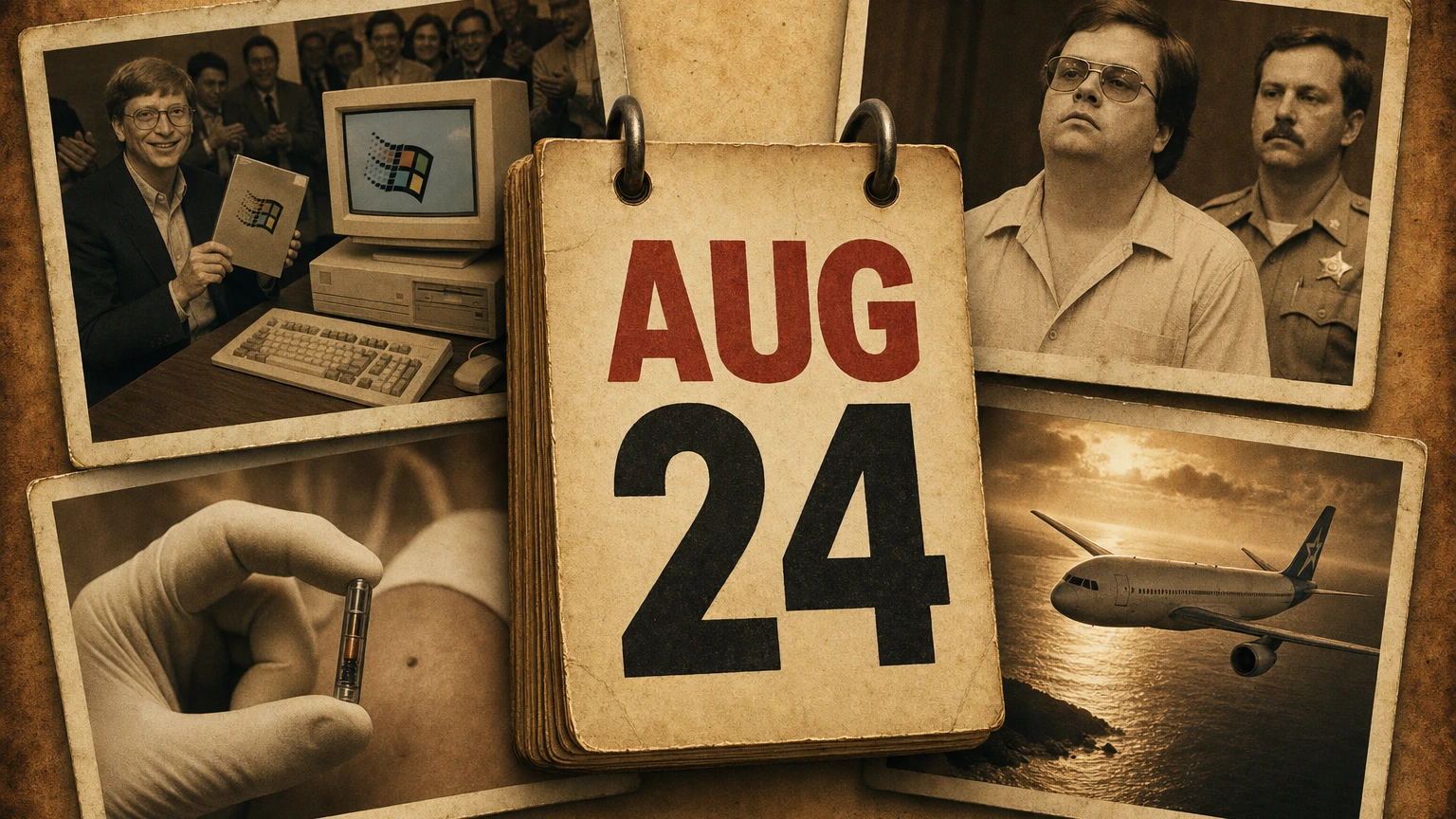
On this day, the world paused to reflect on the loss of a legend, as Mark David Chapman was sentenced to 20 years to life for the murder of John Lennon. The Beatles' frontman, whose music transcended generations and continents, was taken from us too soon. Chapman's sentencing was a somber reminder of the fragility of life and the enduring impact of Lennon's artistry, which continues to inspire musicians and dreamers across the globe.
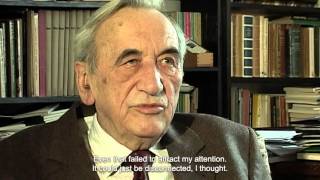
In the tumultuous year of 1989, as the Iron Curtain began to rust and crumble, Poland took a bold step into the future. Tadeusz Mazowiecki, a man of intellect and integrity, was chosen as the first non-communist prime minister in Central and Eastern Europe since the end of World War II. This was not just a political appointment; it was a seismic shift, a crack in the monolithic facade of Soviet influence. Mazowiecki's ascent signaled the dawn of a new era, one where the whispers of freedom began to echo louder than the decrees of oppression.
Picture this: the Soviet Union, a colossal bear of a nation, suddenly finds itself with one less cub. On August 24, 1991, Ukraine, with a flair for the dramatic, declares its independence. The Soviet Union's grip loosens, and Ukraine steps into the spotlight, ready to dance to its own beat. It's like a coming-of-age movie, but with more political intrigue and less teenage angst. The world watches as Ukraine takes the stage, ready to write its own script in the grand theater of nations.
Hurricane Andrew, a beast of a storm with a Category 5 attitude, slammed into Homestead, Florida, leaving a trail of destruction and $25 billion in damages. It was like Mother Nature decided to throw a tantrum, reminding everyone that she's the boss. The storm's wrath was a brutal wake-up call, a reminder of the fragility of human constructs against the unstoppable force of nature.
Ah, Windows 95, the operating system that promised to make our lives easier and instead introduced us to the joys of the blue screen of death. On August 24, 1995, Microsoft unleashed this revolutionary software upon the world, forever changing the way we interacted with our computers. It was the dawn of the Start button, the era of multitasking, and the beginning of a love-hate relationship with Clippy, the world's most annoying paperclip. Gen Xers will remember the excitement of installing it from a stack of floppy disks and the thrill of hearing that iconic startup sound.
In the quiet corridors of technological advancement, a new chapter was written on August 24, 1998, when the first radio-frequency identification (RFID) human implantation was tested in the United Kingdom. This event marked the dawn of a new era where the boundaries between human and machine began to blur. Like a scene from a cyberpunk anime, the idea of embedding technology within the human body seemed both futuristic and eerily intimate. It was a moment that whispered promises of convenience and control, while echoing questions about privacy and ethics.
Imagine being on a transatlantic flight, and suddenly, your plane runs out of fuel. That's exactly what happened on Air Transat Flight 236. The Airbus A330 lost all engine power over the Atlantic Ocean, forcing the pilots to perform the longest glide in commercial aviation history. For 30 nerve-wracking minutes, the plane glided over 120 kilometers before making an emergency landing in the Azores. It's like the real-life version of a '90s disaster movie, but with a happy ending—everyone survived.
Fernando Alonso, the Spanish speedster, made history at the Hungarian Grand Prix by becoming the youngest Formula 1 driver to win a race. At just 22, he left the big boys eating his dust, proving that age is just a number when you've got the skills to pay the bills. This wasn't just a win; it was a statement that the new generation was ready to take the wheel and shake things up.
How did this article make you feel?
Sign in to join the discussion
 History
A day of drama, transformation, and breaking legendary curses.
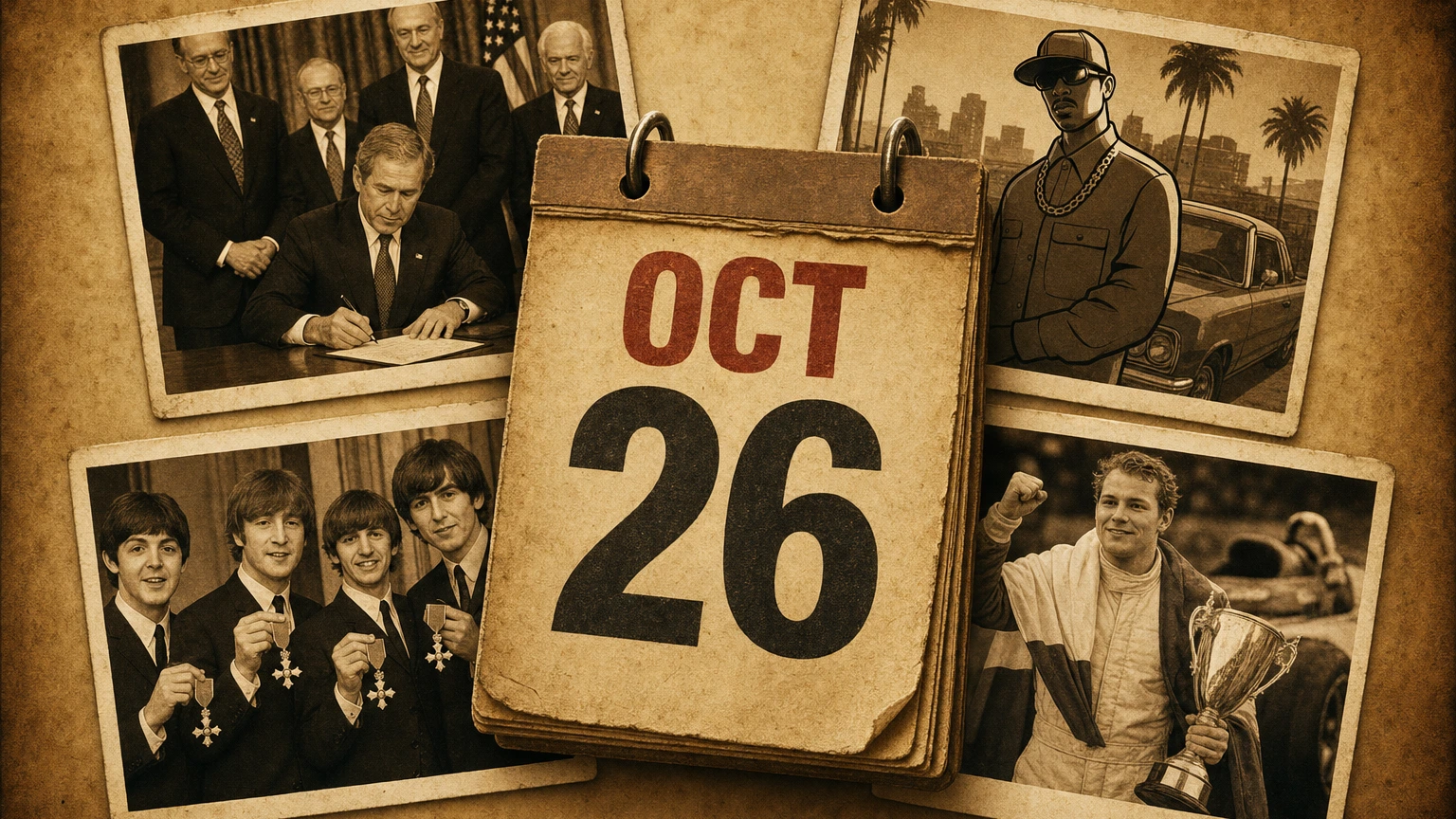 History
A journey through music, racing, law, and gaming milestones all on October 26.
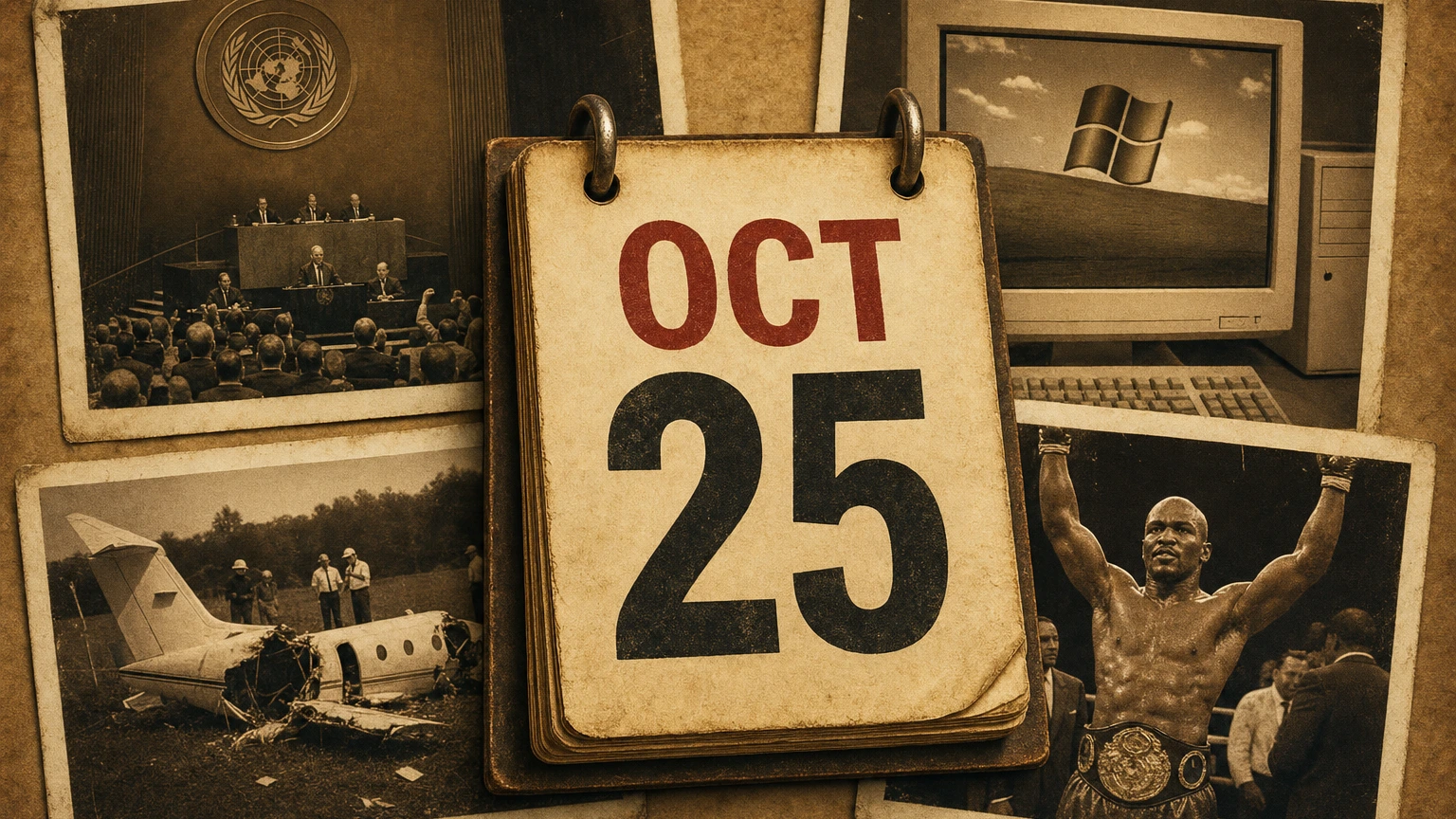 History
From political shifts to sports legends and tech revolutions, October 25 had it all.
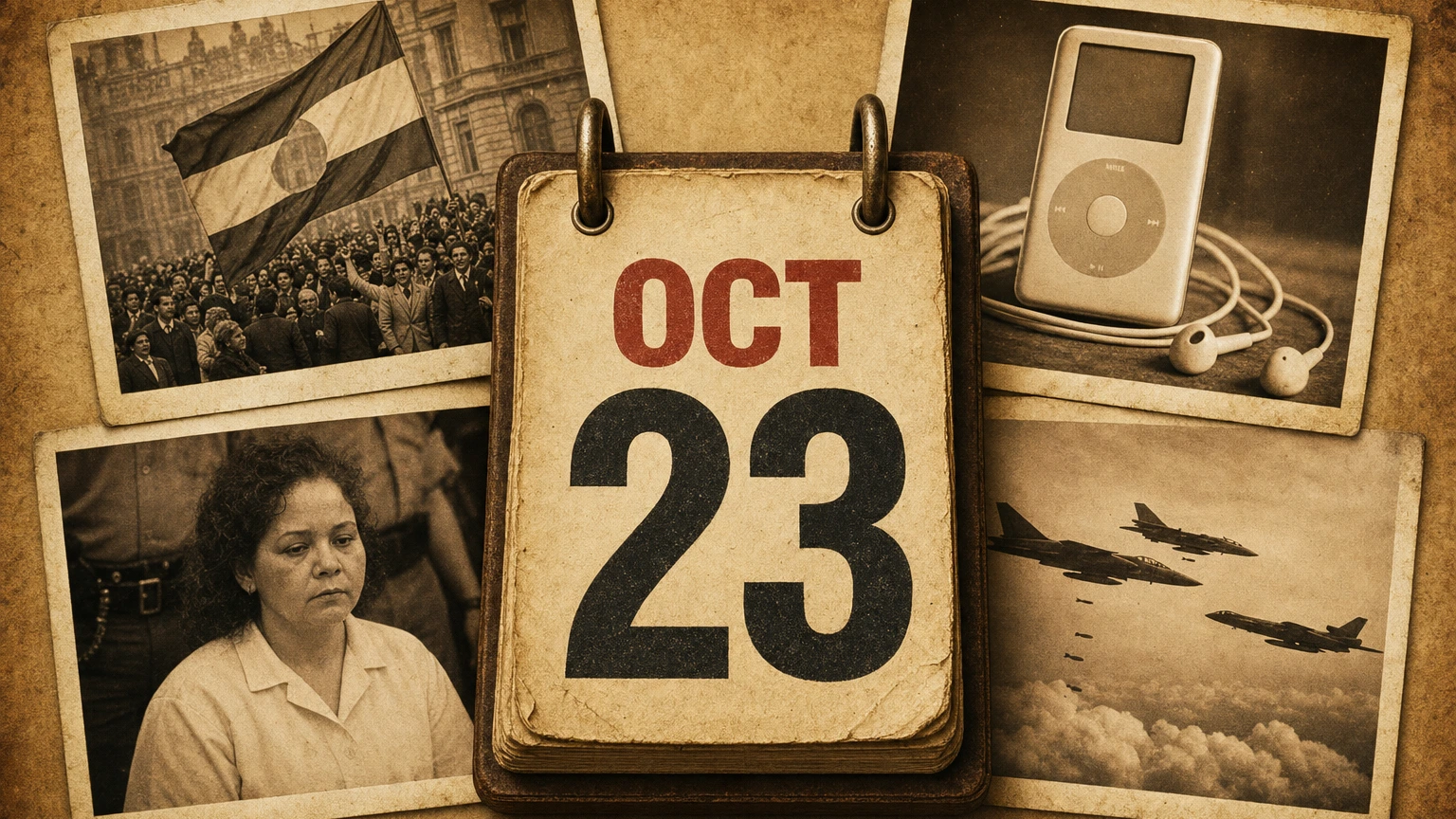 History
From wars winding down to tech revolutions kicking off.
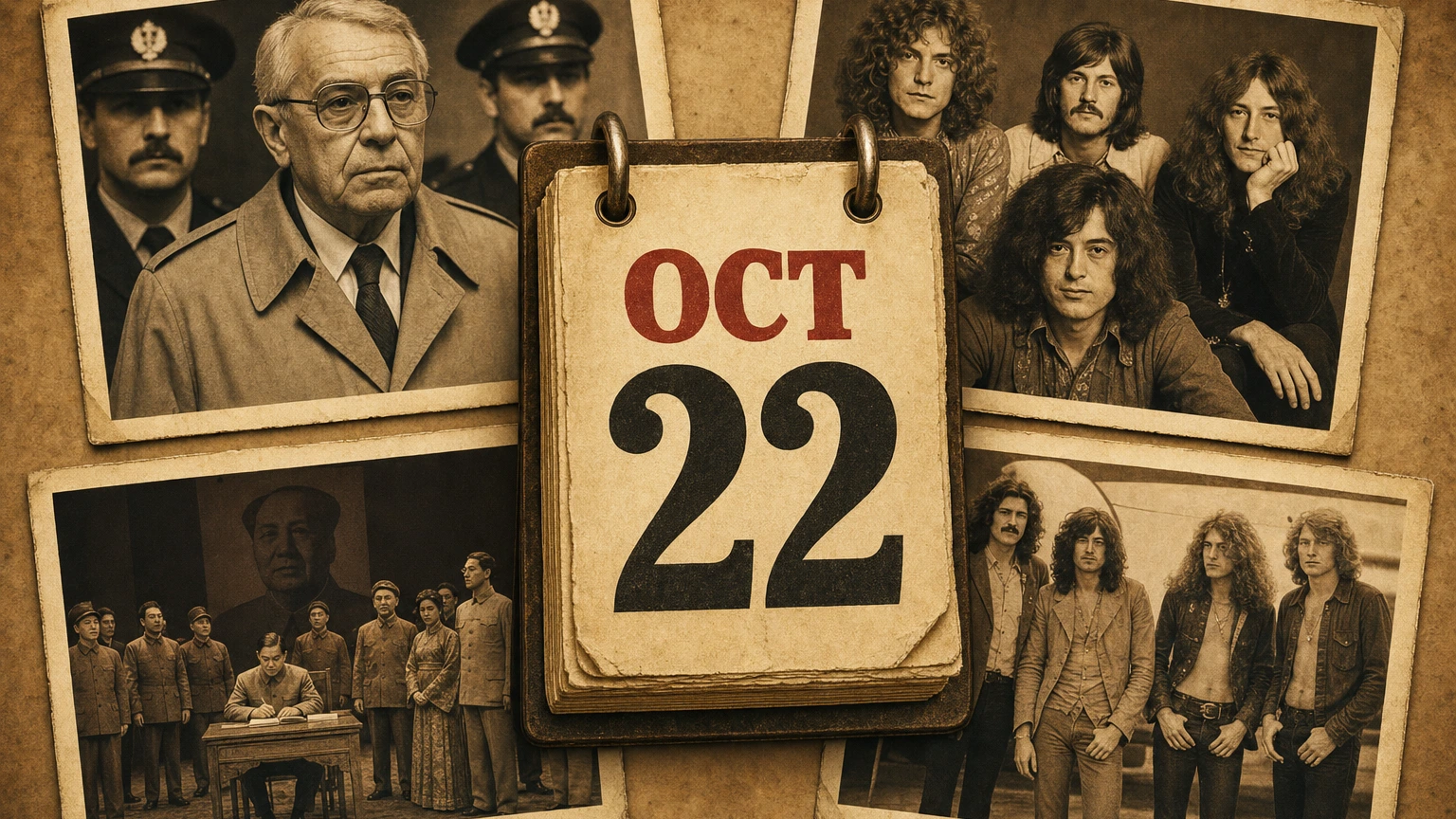 History
From rock anthems to opera premieres and historic justice
 History
A day of architectural triumphs and political intrigue
 +0,02