Loading...
Loading...
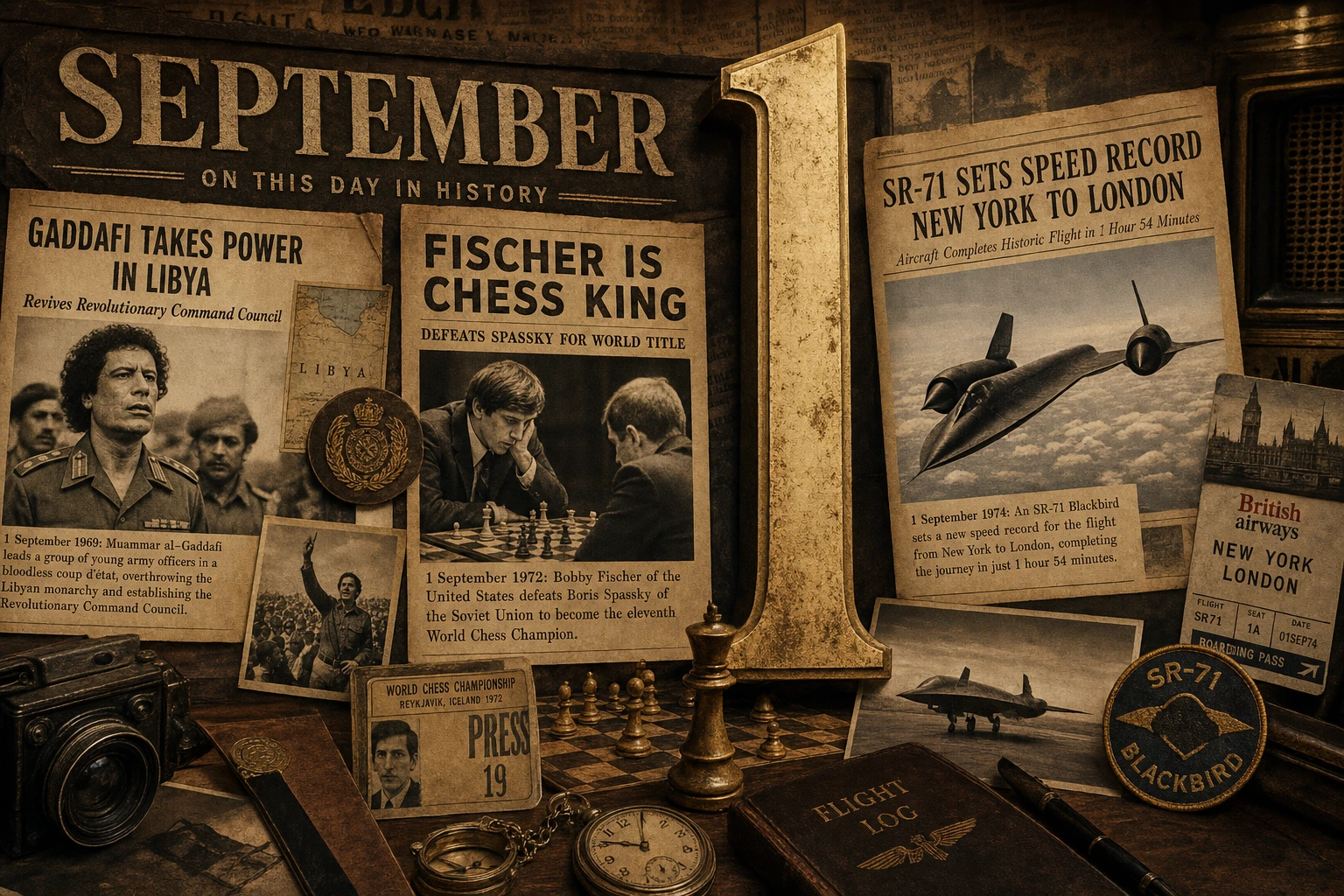
From political upheavals to tech breakthroughs, September 1 reshaped history.
On a day that would forever alter the sands of Libya, Muammar Gaddafi, a young and ambitious military officer, orchestrated a coup that toppled King Idris I. With dreams of an Islamic socialist republic, Gaddafi's rise marked the beginning of a 42-year reign that would see Libya dance to the rhythm of his revolutionary ideals. This was not just a political shift; it was a cultural upheaval that resonated across Africa and beyond, challenging Western narratives and redefining Libya's place on the global stage.
In a showdown that was more Cold War than chess, Bobby Fischer, the American maverick, took on Boris Spassky, the Soviet grandmaster, in Reykjavik. It was like Rocky vs. Drago, but with more pawns and less punching. Fischer's victory wasn't just about a chessboard; it was a symbolic win for the West during a time when the world was split into two camps, and everyone was looking for a hero. Fischer, with his eccentricities and genius, became that unlikely hero, proving that even a lone wolf could take down the Soviet chess machine.
In a feat that would make even the most seasoned jetsetter envious, the SR-71 Blackbird zipped across the Atlantic from New York to London in just under two hours. This was no ordinary flight; it was a high-speed ballet at 1,435.587 miles per hour, leaving a trail of awe and probably a few sonic booms in its wake. The Blackbird, a marvel of aviation engineering, made Concorde look like a leisurely Sunday drive.
In the thick fog of the Cold War, a civilian aircraft, Korean Air Lines Flight 007, strayed into Soviet airspace and was mercilessly shot down by a Soviet jet fighter. All 269 souls aboard perished, including Congressman Lawrence McDonald. This tragic event was a stark reminder of the razor's edge on which global politics balanced, where human lives were mere pawns in a game of geopolitical chess. It was a time when paranoia and mistrust could turn a navigational error into a deadly international incident.
In the quiet depths of the Atlantic, where time seems to stand still, an American-French expedition led by Robert Ballard and Jean-Louis Michel uncovered the resting place of the Titanic. The ship, a symbol of human ambition and tragedy, lay broken on the ocean floor, its story whispered by the currents. This discovery, a testament to the precision of technology and the persistence of human curiosity, answered questions long held in the shadows of history.
Ah, the 80s—a time when hair was big, and video games were bigger. On September 1, 1986, the Nintendo Entertainment System (NES) made its grand entrance into Europe, forever changing the landscape of living rooms across the continent. This was the era when blowing into cartridges was a legitimate troubleshooting technique, and Mario was the mustachioed hero we didn't know we needed. The NES wasn't just a console; it was a cultural phenomenon, a pixelated revolution that turned kids into gamers and living rooms into battlefields.
On a day when the world was still hungover from the Cold War, Uzbekistan decided it was time to pack its bags and leave the Soviet Union's crumbling party. Independence was declared, and the nation stepped into the spotlight, ready to dance to its own tune. It was a bold move, like a teenager finally moving out of their parents' basement, eager to find its own identity in a world that was just as confused as it was.
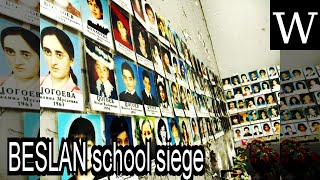
In a tragic turn of events that would haunt the world, the Beslan school siege began on September 1, 2004, in North Ossetia, Russia. Armed terrorists took over a thousand schoolchildren and staff hostage, turning a place of learning into a scene of terror. Over the next three days, the world watched in horror as the siege unfolded, ultimately resulting in the devastating loss of more than 385 lives. It was a chilling reminder of the fragility of peace and the resilience of the human spirit in the face of unimaginable adversity.
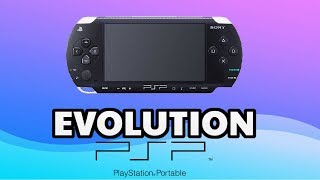
Ah, the PlayStation Portable, or PSP for the cool kids. Sony decided to drop this little gadget into the hands of Europeans, and suddenly, everyone was a gamer on the go. It was like having a tiny arcade in your pocket, perfect for those long train rides or pretending to listen during boring meetings. The PSP was the ultimate flex for any GenXer who wanted to relive their gaming glory days while sipping espresso in a Parisian café.
How did this article make you feel?
Sign in to join the discussion
 History
A day of drama, transformation, and breaking legendary curses.
 History
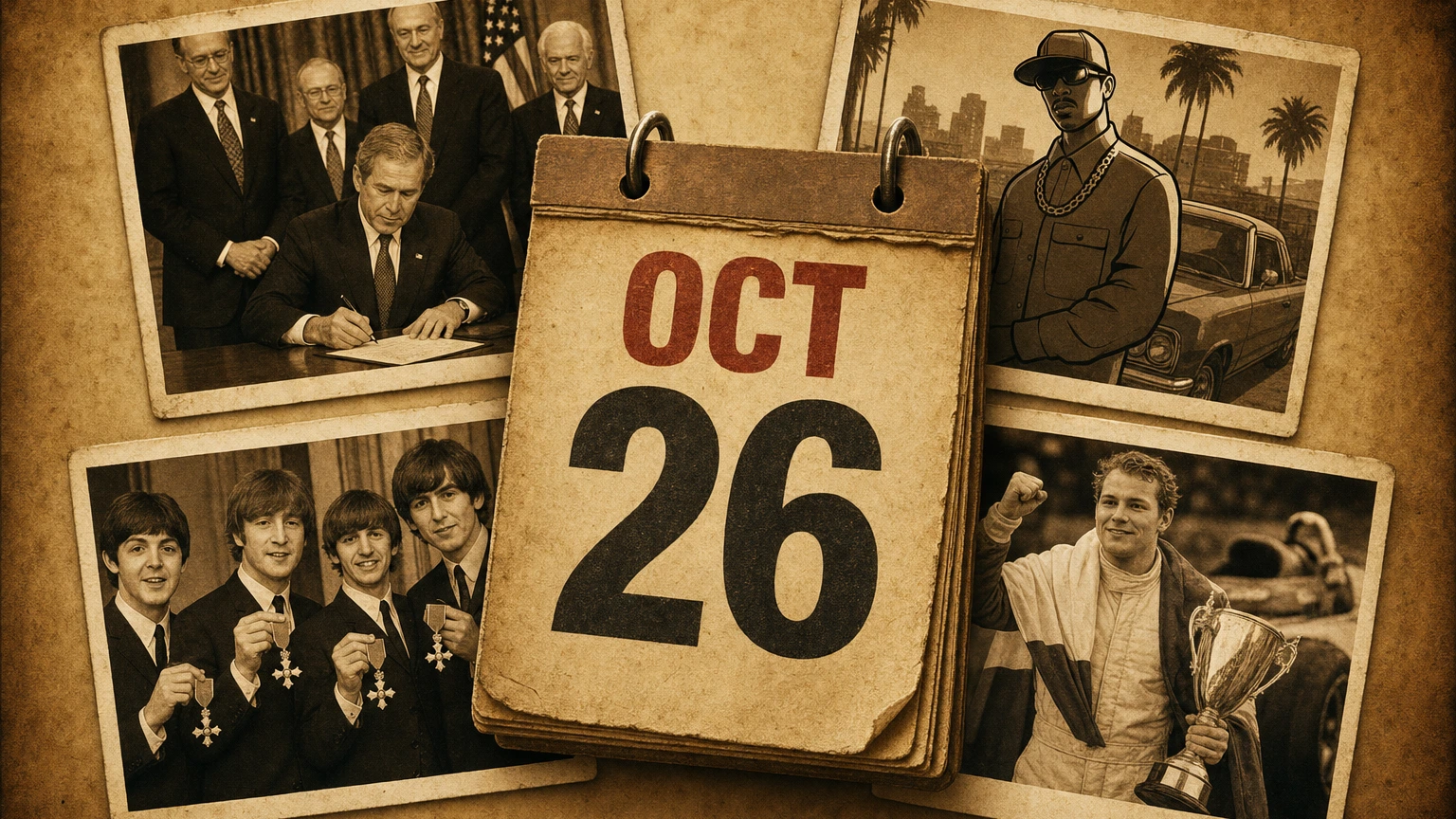
A journey through music, racing, law, and gaming milestones all on October 26.
 History
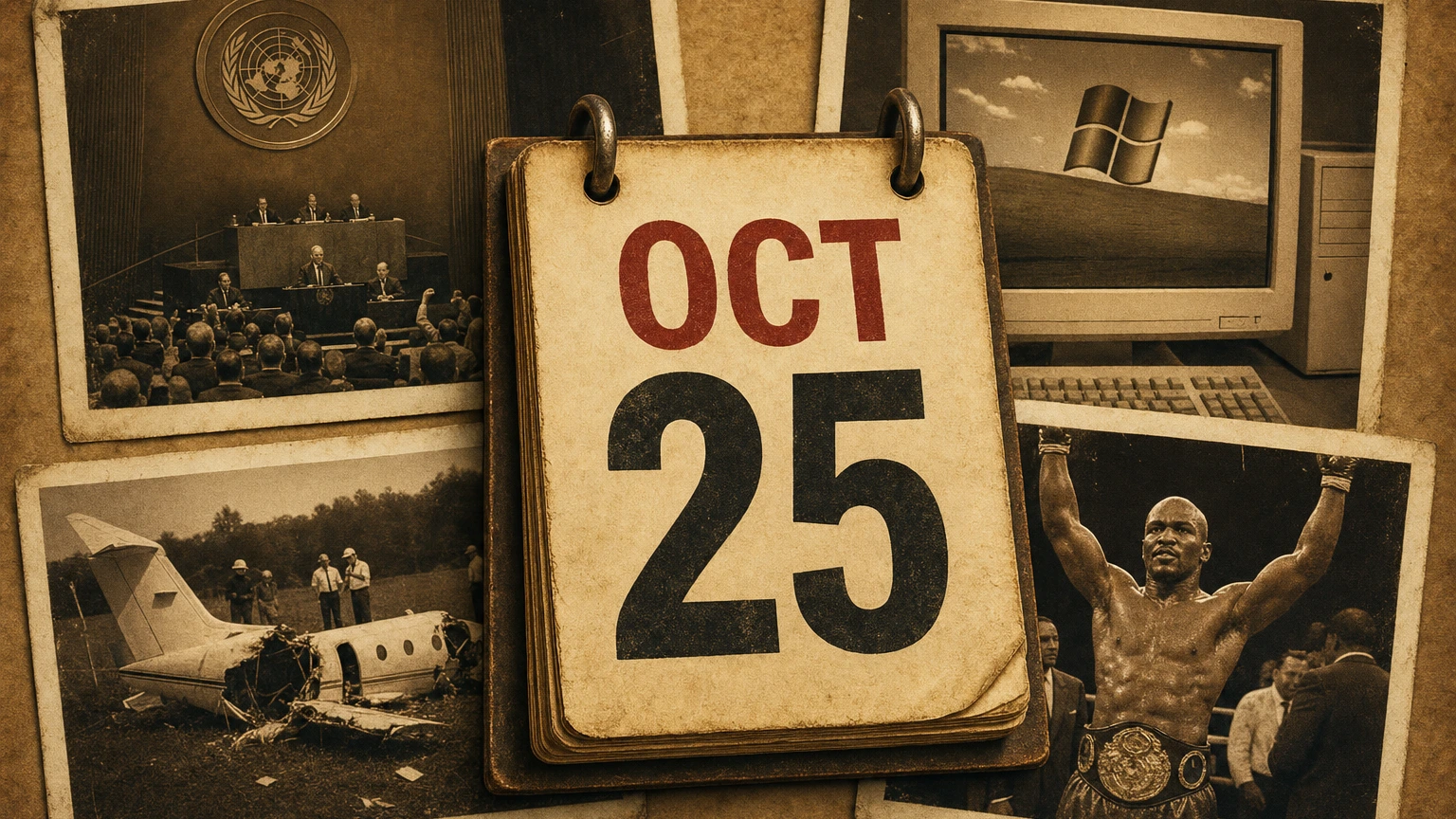
From political shifts to sports legends and tech revolutions, October 25 had it all.
 History
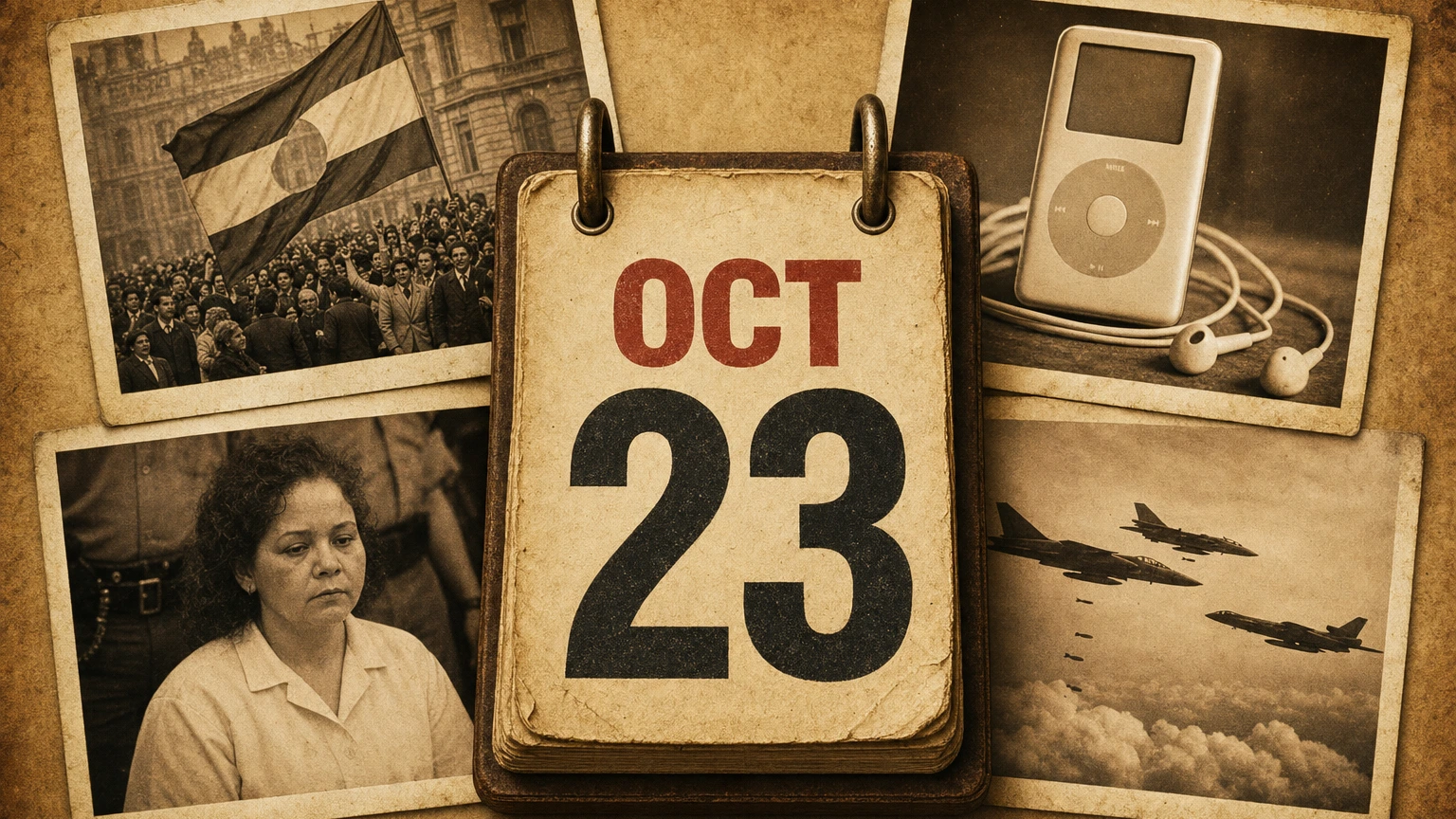
From wars winding down to tech revolutions kicking off.
 History
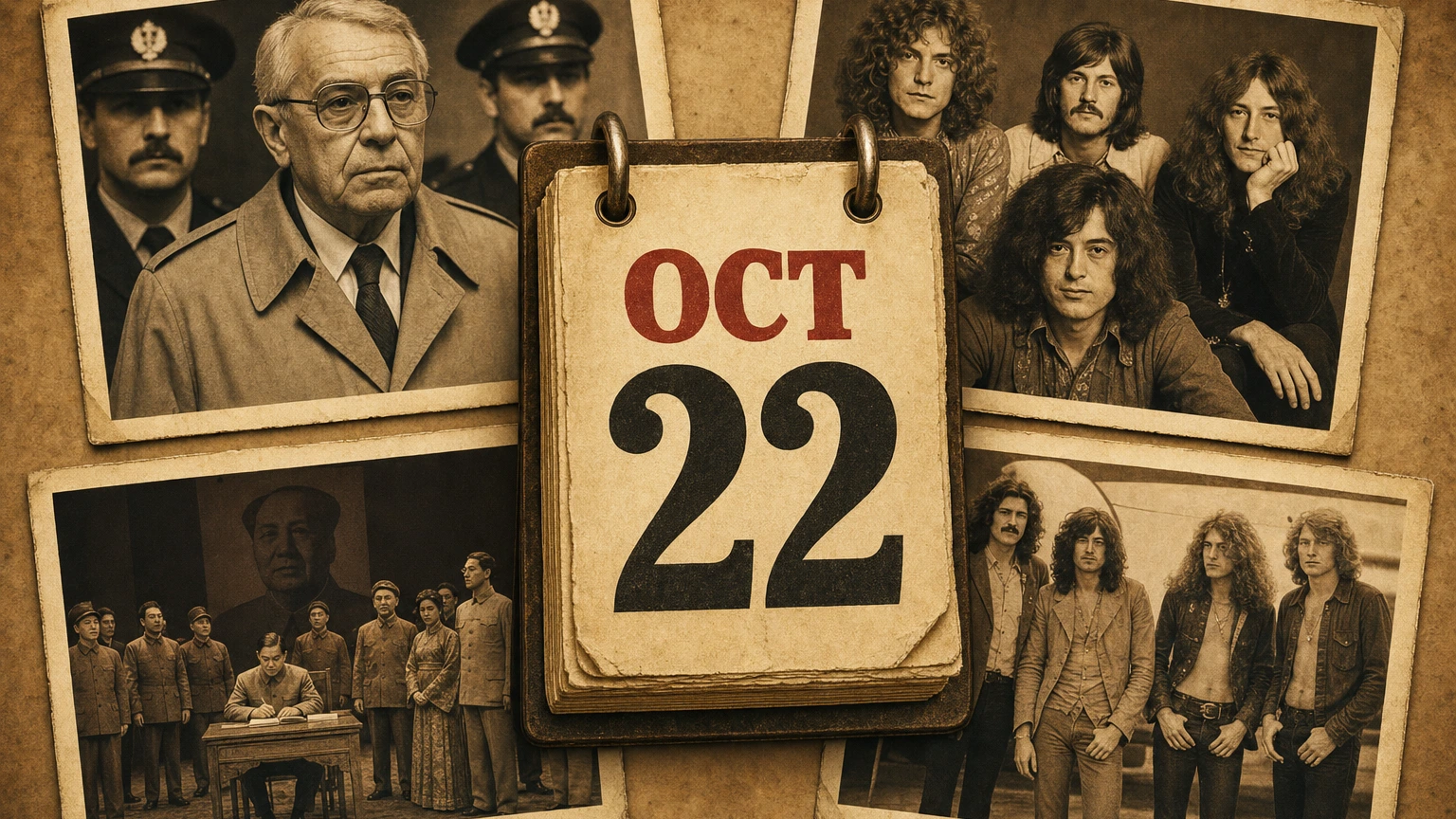
From rock anthems to opera premieres and historic justice
 History
A day of architectural triumphs and political intrigue

 +0,02