
Vanilla Ice: A Life in the Spotlight
From Rags to Riffs to Real Estate
On October 31, 1967, a boy named Robert Matthew Van Winkle entered the world, destined to either conquer the charts or become a punchline. Spoiler alert: he did both. Best remembered for his 1990 hit 'Ice Ice Baby', he wasn’t just a novelty act; he was the first solo white rapper to make a splash in a genre that was, at the time, purposed for hip-hop’s black voices. So, here we are marking Vanilla Ice’s 59th birthday, and what a ride it’s been, from a kid dodging bullets in a South Florida drug scene to white-knuckling his way into hip-hop history.
The Nickname That Stuck
Maturing amidst the vibrant chaos of Miami, young Robert got a nickname that would stick like bad aftershave. A dabble in breakdancing, plus the fact he was the only white kid in the scene, saw him saddled with 'Vanilla'. Fight the power, or, in his case, dance it out in a style that would soon turn into 'Vanilla Ice'. His street crew, dubbed The Vanilla Ice Posse, was the first wave of what would become a cultural phenomenon, a collection of breakdancing misfits that took South Florida by storm.
The Breakthrough Nobody Saw Coming

 +0,02
By 1990, Ice was racing up the charts like a souped-up BMX bike on a downhill slope. His single 'Ice Ice Baby' flipped the script; it wasn’t just a catchy tune but a cultural earthquake. That little track became the first hip-hop single to top the Billboard Hot 100, and just like that, he was a household name. SBK Records rushed to sign him, and the debut album, To the Extreme, shattered charts, becoming the fastest-selling hip-hop record at that time. Imagine the moment he first heard those phone lines light up with requests for 'Ice Ice Baby'—that’s the stuff dreams are made of, especially when you’ve just bummed around with your buddies on a drug run.
From Chart-Topper to Media Target
But basking in the limelight had its downsides. In 1991, while the world was lining up to see 'Cool as Ice', Ice found himself in a media storm. His whirlwind romance with Madonna and the follow-up HBO special made tabloids go wild. Not to mention the bizarre incident with Suge Knight, who figured that intimidating Ice over 'Ice Ice Baby' rights was the way to go. Talk about living on the edge; the threat of plummeting from a hotel balcony is a rather extreme way to negotiate. Who knew hip-hop could come with a side of mobster theatrics?
The Fall and Comeback
Attempting to pull back from the chaos, Ice dropped Mind Blowin' in 1994, which was about as successful as a lead balloon. Critics panned it, and the media's fixation shifted from his chart hits to his personal struggles, including a serious addiction to drugs that nearly took him out. He narrowly escaped a heroin overdose, only to realize he was caught in a violent spiral that needed a serious rethink. Imagine the clock ticking every time he added a tattoo during those binge days; gradually turning into a complicated canvas of poor decisions. But through it all, a leaf tattoo became a symbol of his rebirth—a moment of clarity amidst the chaos.
Reinventing Vanilla: The reality TV star
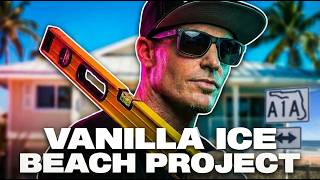
By 2010, Ice got his head straight and pivoted towards a different kind of fame: television. Enter The Vanilla Ice Project, blending home renovation with reality TV charm. Nine seasons later, he was a familiar face on DIY Network, proving that a fall from grace doesn’t mean you can't bounce back. With a keen eye for real estate and some experience in the garage department, Ice found a niche that suited him like a well-fitted pair of jeans—goodbye old drama, hello property flips. The world saw a new side of the rapper, one more interested in latte art than street battles.
How loud do you turn Vanilla up?
Swipe to turn it up
Log in to vote
Comments (0)
Sign in to join the discussion


