Loading...
Loading...
Reflecting on the legacy of Brazil's promising leader, Eduardo Campos.
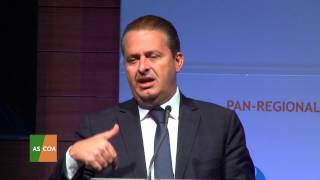
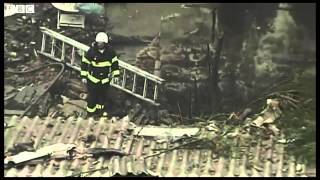
There's a line in a famous Brazilian song that goes, 'Don't let the samba die.' For many in Brazil, the untimely passing of Eduardo Campos in a plane crash on August 13, 2014, felt like a symphony unfinished—a samba suddenly silent. Campos was a beacon of hope, a political visionary whose ideals were fueled by a genuine love for his country. He was not just another politician; he was a dreamer, passionately forging a path toward an inclusive and progressive Brazil.
Born on August 10, 1965, in the scenic city of Recife, Campos was destined for a life in the public eye, carrying forward the legacy of his grandfather, Miguel Arraes, a revered figure in Brazilian politics. With a degree in economics and a decade of public service under his belt, Campos was the embodiment of youthful dynamism meeting political acumen.
Eduardo Campos's journey in politics was marked by a keen understanding of economic intricacies and a rare ability to connect with the people. As the governor of Pernambuco, he transformed the state's economic landscape through initiatives that prioritized education and healthcare. His charismatic leadership style was characterized by empathy and a relentless drive for reform, earning him accolades far beyond the state lines.
Campos's tenure was not without challenges. His administration faced the pressing issues of poverty and inequality, yet he approached these with an unwavering commitment. It was this earnest dedication that made him a beloved figure, not just among the elite but also among those who felt unseen in the tapestry of Brazil's complex society.
In 2014, Eduardo Campos launched his campaign for the presidency, a move that many saw as audacious yet inevitable. His candidacy was a fresh breeze in Brazil's often stagnant political climate, representing a new kind of leadership that was as much about optimism as it was about policy. Campos envisioned a Brazil that was fairer, more just, and where economic growth did not come at the expense of social welfare.
While the campaign trail was short-lived, Campos's message resonated deeply across Brazil. His speeches were poignant, drawing on personal stories and national dreams, weaving a narrative that many believed could redefine Brazilian politics. The tragic plane crash that claimed his life was not just the end of a campaign, but the silencing of a voice that had much more to say.
Eduardo Campos's influence extended beyond the immediate realm of politics. His vision for a cohesive and compassionate Brazil inspired a generation of young leaders who continue to build on his legacy. The programs he initiated in Pernambuco set a precedent for sustainable and inclusive governance, proving that economic success and social responsibility can go hand in hand.
For many, Campos remains a symbol of what Brazil could become. His death left a void, yet it also galvanized a movement that champions his ideals. In the wake of his passing, initiatives across Brazil have been named in his honor, ensuring that his vision lives on, a testament to the enduring power of his dreams.
Eduardo Campos was not just a politician; he was a husband, a father, a friend. Those who knew him recall a man who valued family above all else, who found joy in the simple pleasures of life. His approachability and genuine concern for others were perhaps his greatest strengths, making him relatable to all Brazilians, regardless of their walk of life.
His sudden departure is a poignant reminder of life's fragility, yet it also serves as an invitation to carry forward his unfinished work. Campos's life, though brief, was a rich tapestry of service and aspiration. Today, as we remember him, we are called to continue the vision he so passionately pursued, ensuring that the samba never truly dies.
How loud do you turn Eduardo up?
Swipe to turn it up
Log in to vote
Sign in to join the discussion
 RIP
Remembering the legacy of a brave serviceman
 RIP
Remembering a beloved Chinese television host
 RIP
A life marked by talent and tenacity
 RIP
A look back at the life and influence of a Japanese rock pioneer.
 RIP
Remembering the Afghan police chief on the anniversary of his death
 RIP
Remembering a rugby warrior on the anniversary of his passing.

 +0,02